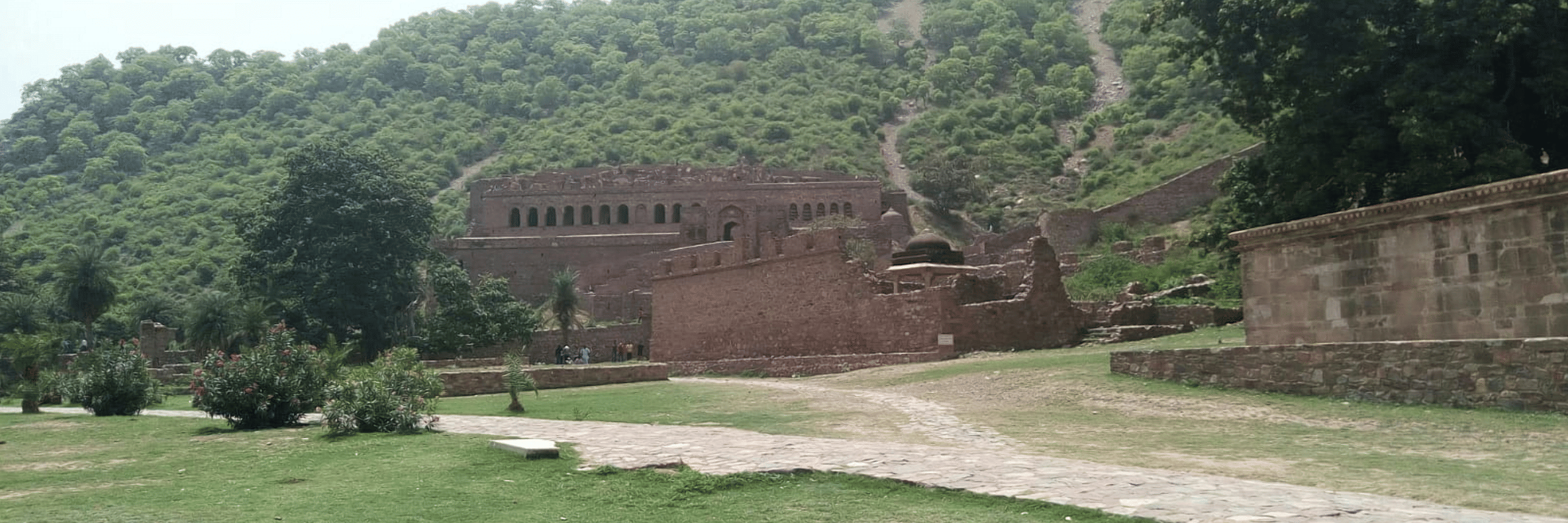
Bhangarh Fort History: Origins, Architecture, and Decline
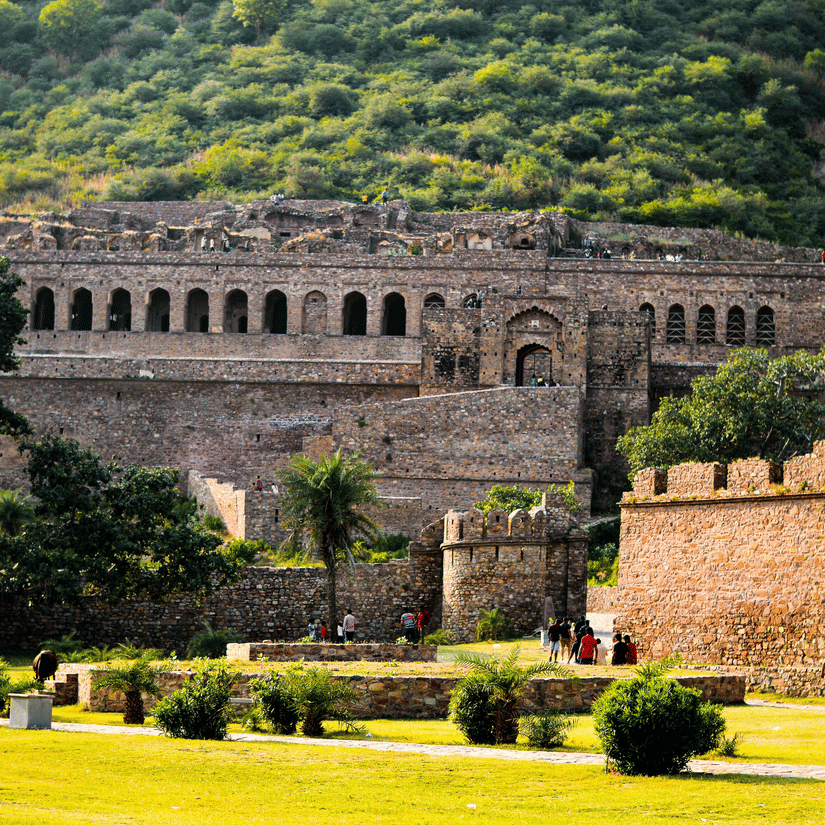
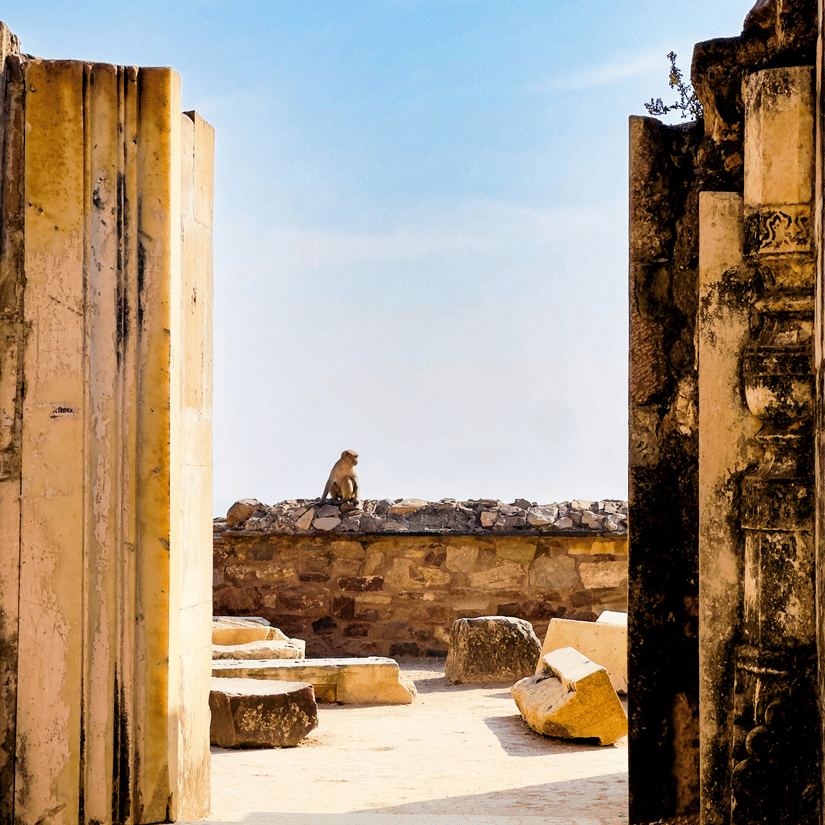
Bhangarh Fort in Rajasthan was built in the 17th century by Raja Madho Singh, the younger brother of Raja Man Singh of Amber. At its peak, the settlement had approximately 9,000 houses, a bustling market called Jauhari Bazaar, a Dancer's Haveli, a priest's residence, and several temples spread across its grounds. The fort's architecture reflects careful Rajput planning, organised around 4 entry gates and a central royal palace at the far end of the complex. Key structures include:
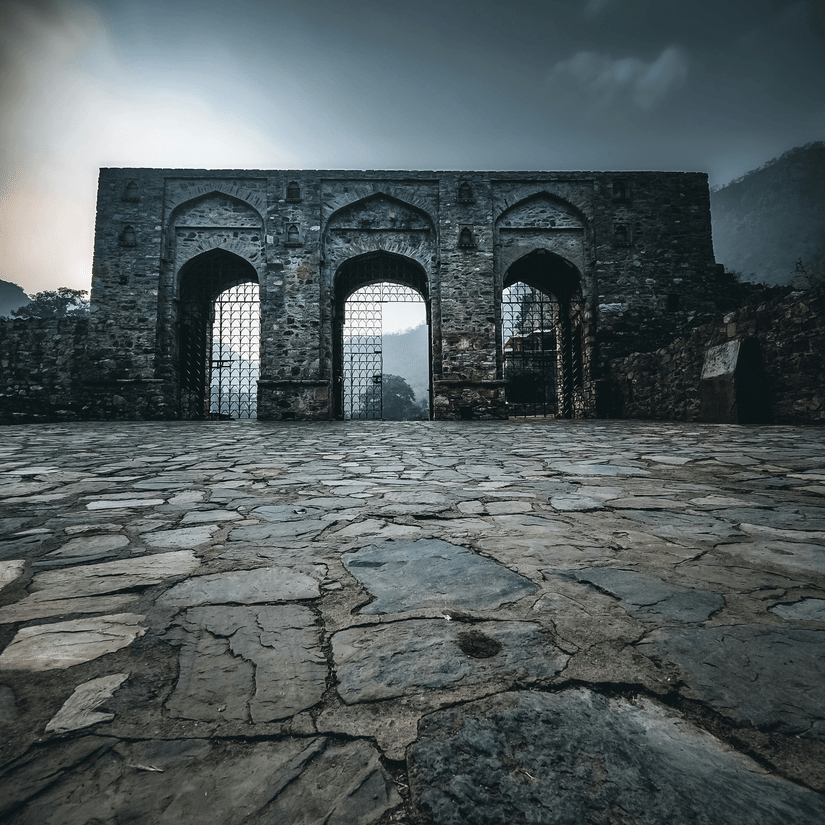
- 4 Gates: Lahori Gate, Ajmeri Gate, Phulbari Gate, and Delhi Gate.
- 7 Temples: Someshwar, Gopinath, Hanuman, Keshav Rai, Mangla Devi, Ganesh, and Navin.
The town's decline is attributed to famine, political conflicts, water scarcity, and shifting trade routes. Following the fall of the Mughal Empire and the famine of 1720, the population dwindled almost entirely. Today, the Archaeological Survey of India (ASI) maintains the site as a protected monument.
The Curse of Guru Balu Nath
A hermit named Guru Balu Nath used the land for meditation before the fort was built. He permitted construction on one condition: the fort's shadow must never fall upon him. Legend has it that the fort was doomed after a later ruler extended the walls, casting a dark shadow over a hermit’s home and triggering a lasting curse.
Princess Ratnavati and the Sorcerer
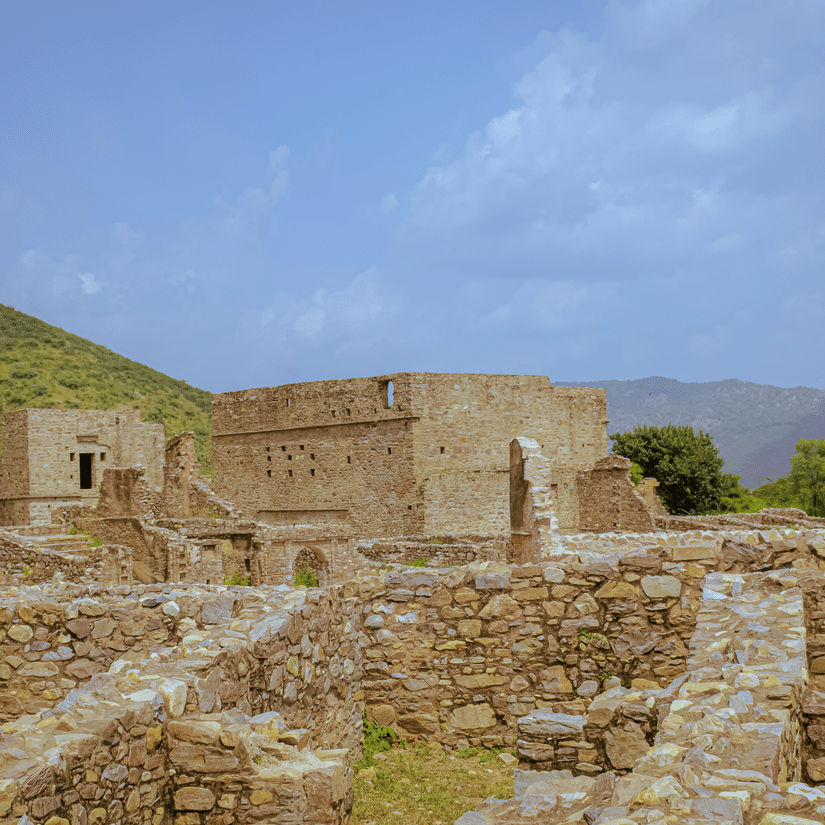
Princess Ratnavati of Bhangarh was known for her beauty across the region. A local sorcerer, hoping to win her affection, cast a spell on a cosmetic she was to use. The princess discovered the plan and poured the cosmetic onto a large boulder, which crushed the sorcerer. His dying curse condemned the fort and its people. In the years that followed, the residents were killed during a Mughal invasion, and the fort was never inhabited again. These tales are folklore, not verified history. Beyond the legends, the reality is a desolate, roofless fortress with an aura that feels strikingly different from any other heritage site in Rajasthan.
Why Bhangarh is Called one of India's Most Haunted Sites
The ASI has placed a board at the fort's entrance prohibiting entry before sunrise and after sunset. The site’s enduring legacy is fueled by 2 factors: the local belief that a curse stripped the buildings of their roofs and the fort's remote, isolated setting. While formal evidence is lacking, travelogues are filled with recurring accounts of visitors feeling a distinct sense of dread within the fort’s walls. The fort is defined by its medieval architecture and rich folklore, creating a distinctive, intense energy that sets it apart from other historical sites in India. History enthusiasts and those drawn by its mysterious reputation both find something worth visiting.
Practical Information for Visiting Bhangarh Fort, Alwar
- Timing: Open daily, 6:00 AM to 6:00 PM.
- Entry Fee: Rs. 25 for Indian nationals, Rs. 200 for foreign nationals, and Rs. 200 for a video camera.
- Restrictions: Entry after sunset is legally prohibited; overnight stays within the fort are not permitted.
- Best Time to Visit: November to February, when temperatures are comfortable for exploring on foot.
- Getting There: Private taxis or rental cabs from Jaipur (approximately 79 km) or Alwar (approximately 89 km) are the most practical option; public transport to the fort is limited.
- Time Required: 1 to 2 hours to explore the fort comfortably; photographers may need additional time.
- Tips: Pack water and wear comfortable flats; the site lacks refreshment vendors and features uneven paths.
Places to Visit near Bhangarh Fort
Bhangarh Fort, Alwar, sits between Jaipur and Alwar, making it easy to combine with several other destinations:
- Sariska Tiger Reserve: Approximately 1 hour from Bhangarh, covering over 800 sq. km and home to tigers, leopards, and varied birdlife.
- Chand Baori Stepwell, Abhaneri: One of the largest stepwells in India, dating to the 8th and 9th centuries, located roughly 47 km from Bhangarh, and a frequently overlooked stop on this route.
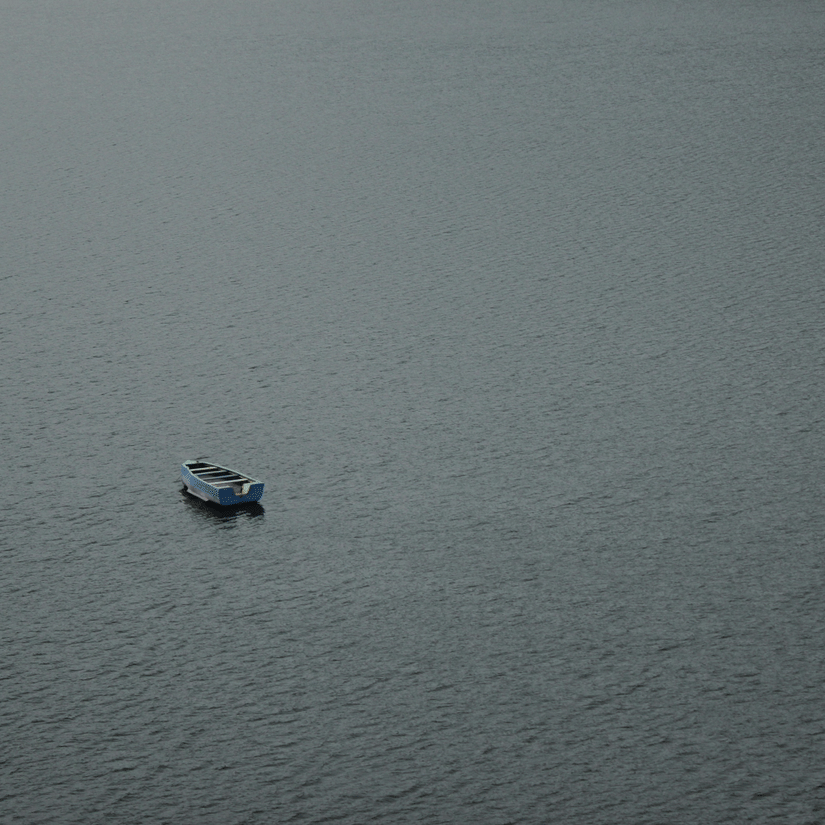
- Siliserh Lake: A quiet reservoir between Alwar and Sariska, with heritage accommodation on its banks and boating available.
- Alwar City: Home to Bala Quila, the City Palace (now a museum), and the Moosi Maharani ki Chhatri.
Visitors often structure a 2-day itinerary: Day 1 covering Jaipur's city attractions and Amer Fort, and Day 2 passing through Abhaneri and Bhangarh before continuing towards Alwar.
Staying near the Fort: Why Umaid Palace Makes Sense
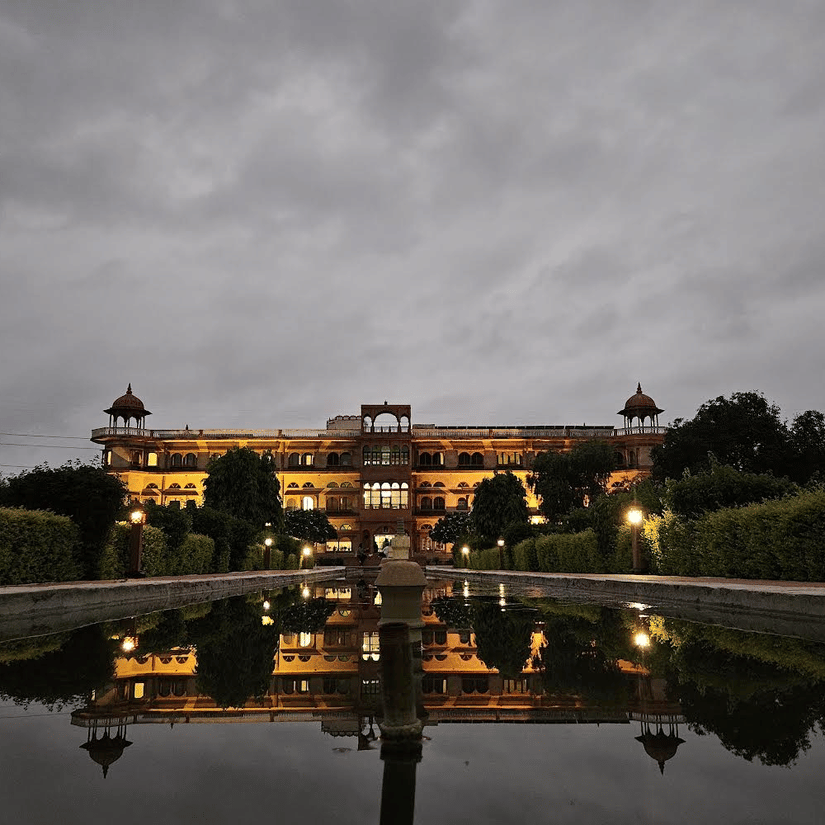
Visiting Bhangarh Fort in Rajasthan early in the morning makes the experience considerably better. The light is cooler, the crowds are thinner, and the atmosphere is sharper. That means your base matters. Driving back to a city hotel after a full day of heritage exploration adds unnecessary time to what should be an unhurried trip. Umaid Palace, a heritage-style property set on a 20-acre lakeside estate in Kalakho Village, Dausa, is approximately 50 minutes from Bhangarh Fort and 35 minutes from Chand Baori. It sits on the Jaipur-Agra National Highway, which keeps it accessible without placing it in the noise of city traffic. For travellers exploring the Jaipur, Abhaneri, and Bhangarh corridor, it functions as a natural and characterful base.
Here is what the property offers across each category:
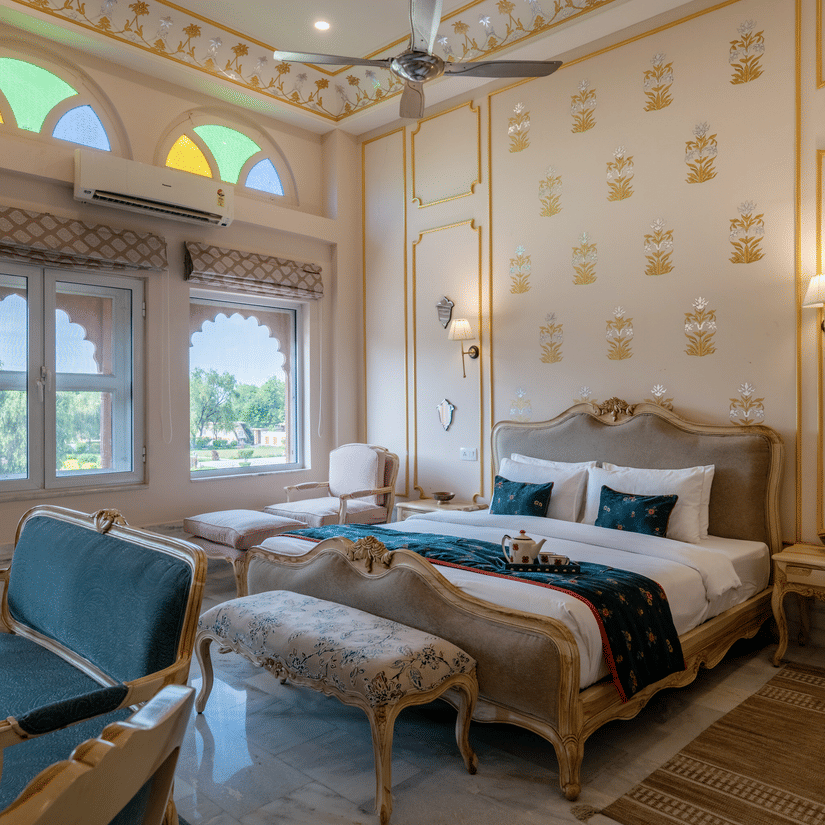
- Rooms: 5 room categories are available: Deluxe, Royal Deluxe, Deluxe with Bathtub, Maharani Suite, and Maharaja Suite. Rooms feature elegant Rajasthani decor, king-size beds (in Royal Deluxe and suite categories), large French windows, seating areas, and modern amenities.
- Dining: The property has 3 dining options: Baradari, an outdoor farm-to-table dining experience; Upper Deck, an alfresco bar and dining space; Fateh Mahal, an all-day dining restaurant; and Manvar, the bar.
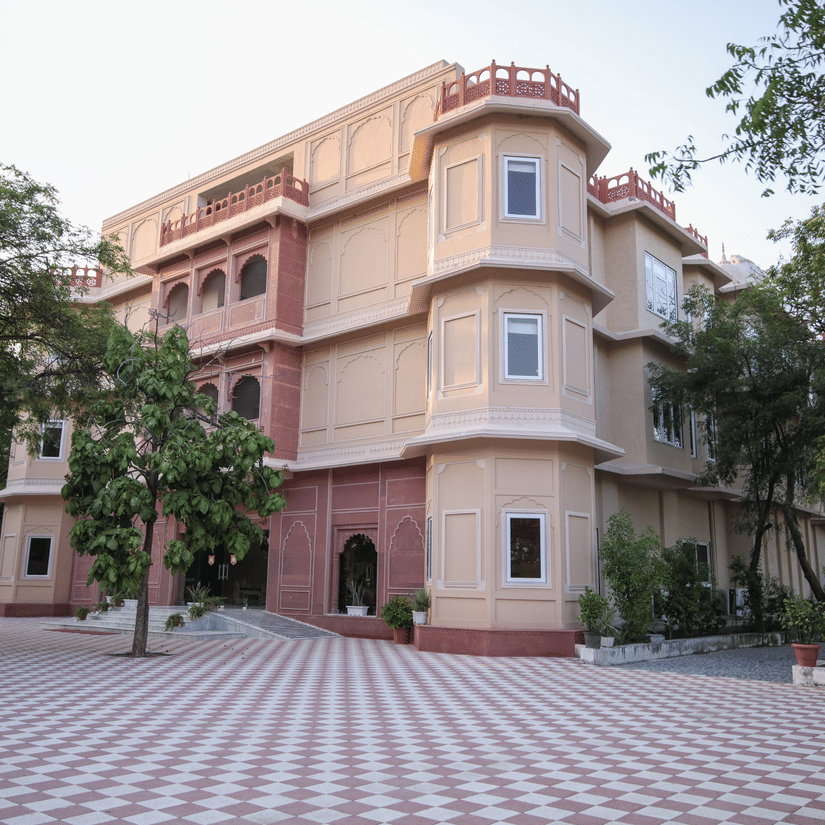
- Experiences: Umaid Palace offers an extensive range of curated activities, including Jeep safari through surrounding villages, pottery and bangle-making workshops, yoga and meditation sessions, organic farm visits, excursions to Bhangarh Fort, and much more.
- Offers: Current packages include a Summer Package, a Couples Retreat Package, a Day Picnic Package, and a Pre-Wedding Shoot Package.
- Meetings and Events: The Ranbanka Ballroom spans 2,750 sq. ft. and accommodates up to 400 guests. Adjacent to the main ballroom, a 1,675 sq. ft. foyer offers ample space for pre-event gatherings. The Rajput Room (900 sq. ft.) offers a smaller, more intimate setting for focused gatherings.